
On this page
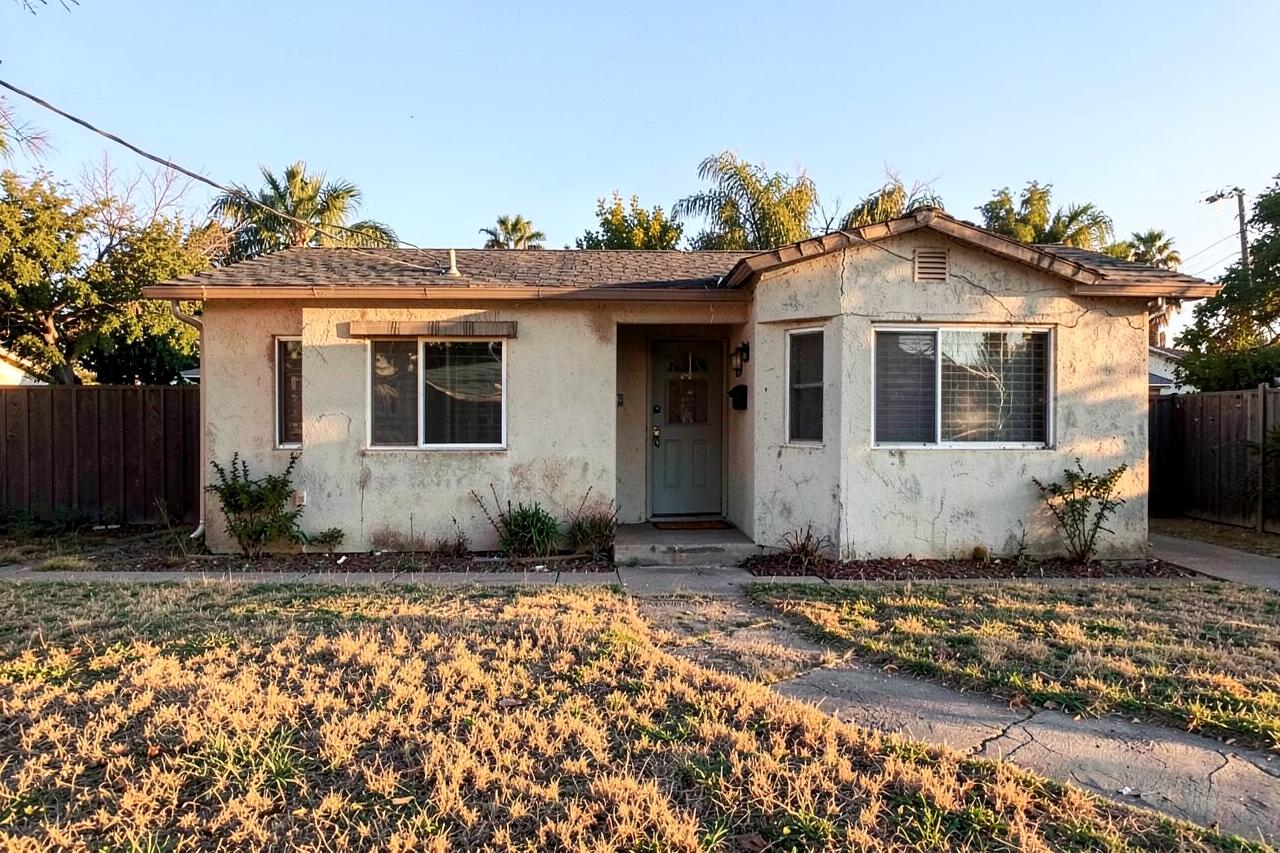
A crack running diagonally across a stucco wall, a door that no longer latches, or a floor that noticeably slopes toward one corner of the house are the kinds of details homeowners often notice for months before deciding to do anything about them. When it's time to sell, those same details tend to be exactly what an inspector, an appraiser, or a curious buyer will zero in on first.
Selling a property like this?
Foundation issues don't have to mean a stalled sale
QuickLine can evaluate a property with known foundation concerns and make a cash offer without requiring structural repairs first.
Yes, you can sell as-is — but disclosure still applies
Selling a house with foundation problems in as-is condition is common in California, particularly among older homes on expansive clay soils or in areas with a history of seismic activity. Selling as-is means the seller isn't agreeing to make repairs before closing — it does not mean the seller is exempt from disclosing what they know. Most residential sellers are still required to complete a Transfer Disclosure Statement describing known material defects, a requirement rooted in the California Civil Code. If a homeowner has a soils report, an engineer's evaluation, or knowledge of past foundation repair work, that information is generally expected to be disclosed regardless of whether the house is being sold as-is.
How buyers and inspectors evaluate foundation concerns
A general home inspector typically notes visible signs of foundation movement — cracks, uneven floors, doors and windows that stick, or gaps around trim — but usually isn't qualified to diagnose the cause or recommend a specific repair. When those signs show up, buyers frequently bring in a structural engineer for a more detailed evaluation, which can include soil testing, elevation surveys, or crawl space inspection. The engineer's findings often become the basis for renegotiating price, requesting repairs, or in some cases, the buyer deciding to walk away.
Common signs of foundation movement
- Diagonal cracks in stucco, drywall, or brick, especially near windows and doors
- Doors or windows that stick or no longer close properly
- Visibly sloped or uneven flooring
- Gaps between walls and ceilings or around baseboards
- Cracks in a concrete slab or visible separation at the foundation line
How lenders, appraisers, and insurers respond
Foundation problems are one of the issues most likely to affect financing. If an appraiser notes visible structural concerns, lenders backed by programs overseen by HUD or other government-insured loan types often require a structural engineer's report and, in many cases, completed repairs before the loan can close. Conventional lenders can have similar requirements depending on the severity of the issue. Insurance carriers may also ask questions about foundation condition, and in some cases known structural issues can affect a buyer's ability to obtain coverage, which in turn can affect their ability to get a loan at all.
This is a major reason many owners of homes with known foundation issues consider selling to buyers who don't require financing, since it removes the appraisal and lender-driven repair requirements from the equation.
Repair first or sell as-is: weighing the tradeoffs
Foundation repairs can range from a few thousand dollars for minor crack injection to well into six figures for full underpinning or slab replacement, depending on the cause and extent of the movement. Because the cost range is so wide, an accurate estimate from a licensed structural engineer or foundation repair contractor is essential before deciding whether repair makes financial sense relative to the property's value.
| Factor | Repair before listing | Sell as-is |
|---|---|---|
| Cost | Can range from minor to very substantial depending on severity | No repair cost to the seller |
| Financing | Broader access to conventional and government-backed buyers | May primarily attract cash or investor buyers |
| Timeline | Engineering evaluation and repair can take weeks to months | Can move faster without repair contingencies |
| Disclosure | Repair history still typically disclosed | Known condition still typically disclosed |
| Certainty | Repair may need engineer sign-off or permit close-out | Price often reflects condition instead |
Selling a property like this?
Get a straightforward offer on your timeline
If foundation repairs aren't in your budget or timeline, QuickLine can make a cash offer based on the home's current condition.
Permits and prior foundation work
If foundation repairs were completed in the past — such as pier installation, slab jacking, or crack injection — buyers and their engineers will often want documentation, including permits and any warranty from the company that performed the work. Unpermitted structural repairs can raise questions during a buyer's due diligence or a lender's underwriting review. A licensed contractor or structural engineer can help confirm what permit history exists and whether any further documentation is needed before listing.
Homeowners managing foundation issues alongside other pressures — a home that's part of an estate, a property that's sat vacant, or one that simply needs too much work to justify further investment — often find that selling as-is to a buyer prepared to handle the repairs is the more practical path. Others with the time and budget may choose to repair first to reach a broader pool of financed buyers. Either way, an accurate picture of the foundation's condition, ideally from a licensed professional, is the starting point for making that decision.
Frequently asked questions
- Can I legally sell a house with foundation problems in California?
- Yes. Selling as-is is common, but you're still generally required to disclose known material defects, including foundation issues, on the Transfer Disclosure Statement. Consult a real estate attorney about your specific disclosure obligations.
- Will foundation problems prevent a buyer from getting a loan?
- They can. If an appraiser or inspector flags structural concerns, many lenders require a structural engineer's report and often completed repairs before funding, which can delay or end a financed transaction.
- How much does it typically cost to repair a foundation?
- Costs vary widely depending on the cause and severity, from minor crack repair to full underpinning. A licensed structural engineer or foundation contractor can provide an estimate specific to your property.
- Do I need a structural engineer's report before selling as-is?
- It isn't required by law, but having a report can help you understand the scope of the issue, set realistic pricing, and answer buyer questions more confidently.
- Is it better to repair the foundation or sell as-is?
- It depends on your budget, timeline, and the severity of the issue. Repairing can widen your buyer pool, while selling as-is can save time and avoid upfront repair costs. Comparing a contractor's estimate against your goals can help clarify the decision.
Areas we buy in
Sources
This article is provided for general informational purposes only and should not be considered legal, tax, financial, accounting, or real estate advice. Laws, regulations, and individual circumstances vary. Consult appropriate qualified professionals regarding your specific situation.