
On this page
Somewhere between the third late-night maintenance call and the second missed rent payment, a lot of landlords start wondering whether owning a rental property is still worth it. Others end up with a rental almost by accident — inheriting a parent's duplex, relocating for a job, or converting a former home into a rental years ago and never quite deciding to sell it.
Whatever the path that led here, an unwanted rental property in California comes with a specific set of decisions: what to do about any current tenant, how much time and money to put into repairs before selling, and whether a traditional listing or a direct sale better fits the timeline you actually want.
Selling a property like this?
Done managing a rental you no longer want?
QuickLine buys occupied and vacant rental properties as-is across Southern California, so you can step away from landlording on your own timeline.
Start with the lease, not the listing
Before deciding how to sell, it helps to know exactly what tenancy you're dealing with. Is there a fixed-term lease with months remaining, or a month-to-month arrangement? Has the tenant paid consistently, and is there a security deposit on file with a clear accounting? These details shape which buyers will even consider the property and how quickly a sale can close.
In California, a lease generally survives a change in ownership, so an existing tenant typically has the right to stay through the remaining term regardless of who buys the property. If you're hoping to deliver the home vacant, that usually means waiting for a lease to expire naturally or negotiating a move-out — not something you can assume will happen automatically at closing.
Notice, rent control, and just-cause rules
California's statewide Tenant Protection Act, found in Civil Code 1946.2, sets baseline just-cause eviction protections for many tenancies, and numerous cities layer on additional rent-stabilization ordinances with their own notice periods and, in some cases, relocation-assistance requirements. Whether any of this applies to your specific property depends on the city, the building's age, and the tenancy's history, so it's worth checking directly with the local rent board or housing authority rather than assuming.
Weighing your options
Owners of an unwanted rental generally have a few realistic paths forward, and each comes with tradeoffs worth thinking through honestly rather than picking based on habit.
- Keep renting it out and hire a property manager to reduce day-to-day involvement.
- Wait for the current lease to end, then list the property vacant on the open market.
- List it now with the tenant in place, understanding the lease will transfer to the buyer.
- Sell directly to a buyer who purchases as-is and is comfortable with the property's current occupancy and condition.
Continuing to rent it out with a property manager can make sense if the numbers still work and you simply want distance from daily tasks, but it doesn't solve the underlying question of whether you want to own the asset long-term. Waiting for vacancy before listing can produce a wider buyer pool, including owner-occupants, but it also means carrying the property — and possibly more tenant turnover — until that day arrives.
Selling a property like this?
Tell QuickLine about the house.
Not sure which option fits your situation? A direct offer can give you a real number to compare against listing or continuing to rent, without any obligation.
Showings, estoppels, and deposit transfers if you list traditionally
If you decide to sell with a tenant in place, expect the process to include a few extra steps compared with a vacant sale. Buyers or their lenders will often ask for a tenant estoppel certificate confirming the rent, deposit, and lease term, and any showings require proper advance notice to the tenant under California law. At closing, the security deposit is typically transferred to the buyer along with a written accounting, and rent is usually prorated so neither party is over- or under-paid for the closing month.
| Path | Typical timeline | Tenant impact |
|---|---|---|
| Hire a property manager, keep renting | Ongoing | None — tenant stays |
| Wait for lease end, list vacant | Months, tied to lease term | Tenant vacates naturally |
| List now, tenant stays through sale | Weeks to months | Lease transfers to buyer |
| Direct as-is sale | Often faster, seller-driven | Depends on buyer's plans |
Repairs, condition, and whether they're worth doing
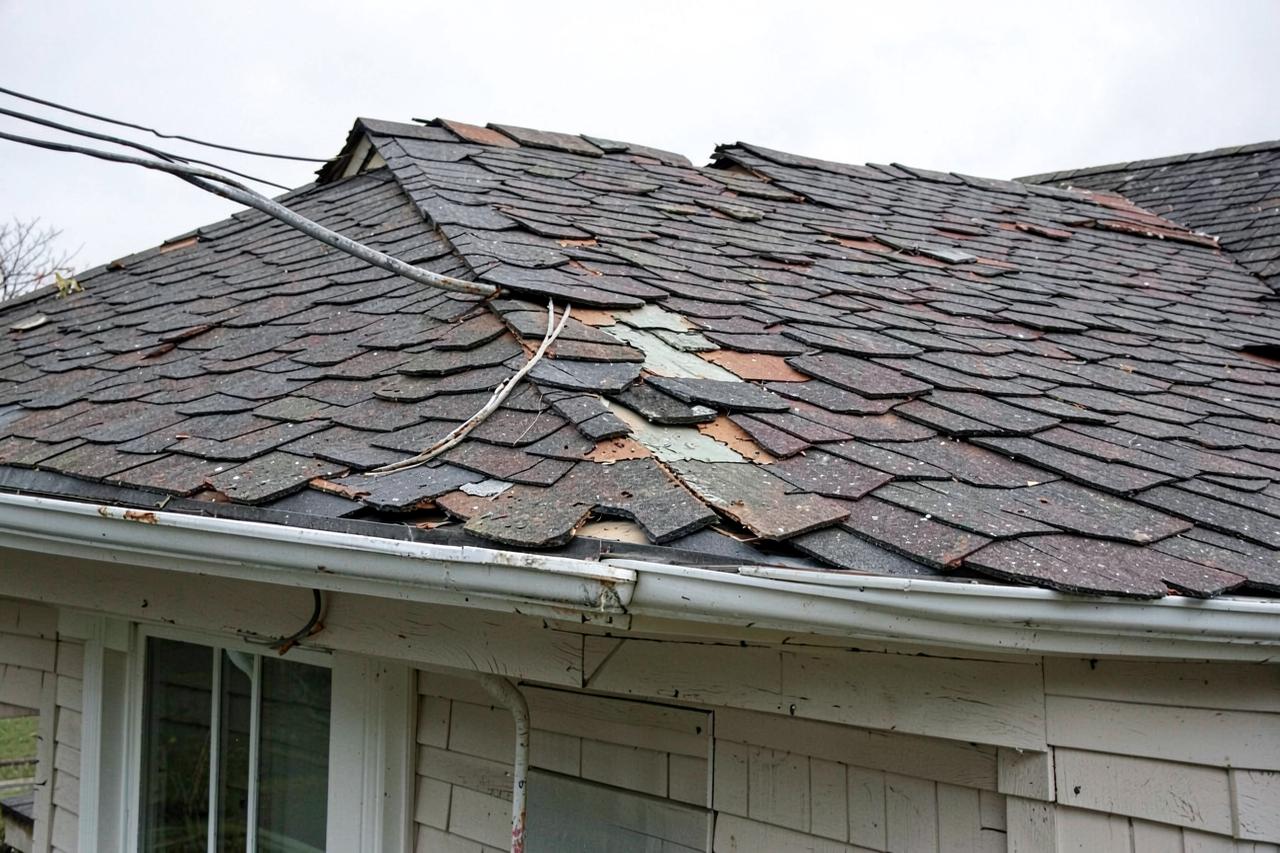
Rental properties often carry deferred maintenance — the kind of items a tenant doesn't complain loudly enough about, or that build up over years of turnover. Before listing traditionally, it's common to face questions about whether to invest in repairs to attract owner-occupant buyers or simply price the property to reflect its condition. Owners dealing with a property that also has code issues or larger structural or system repairs often find that a direct as-is sale avoids the need to spend money upfront before finding out whether the property will even sell at the price they hoped for.
How a direct sale can fit an unwanted rental
A direct sale to a buyer purchasing for investment purposes generally accepts the property in its current condition and current occupancy status. That can mean no repairs before closing, no requirement to coordinate a tenant move-out, and no financing contingency tied to an appraisal expecting vacant possession. It doesn't change any tenant's legal rights — those continue exactly as state and local law require — but it can reduce the number of steps and unknowns between deciding to sell and actually closing.
Getting professional input before you act
Because rent-control ordinances, just-cause requirements, and relocation-assistance rules differ from city to city and change periodically, confirm current requirements with your local housing authority or rent board. If the property is also tied up in a probate or trust matter, a probate attorney can clarify how the sale interacts with that process, and a CPA can walk through the tax implications of selling a long-held rental, including depreciation recapture.
Frequently asked questions
- Can I sell my rental property if I don't want to deal with the tenant?
- Yes, you can sell with the tenant in place — the lease typically transfers to the new owner. A direct sale to an investor-focused buyer can reduce the coordination involved compared with a traditional listing.
- Do I have to fix up the property before selling?
- Not necessarily. Many rental owners sell as-is, particularly when the cost of repairs is uncertain to be recouped through a higher sale price. Compare quotes and consider your timeline before committing to repairs.
- What happens to the tenant's deposit when I sell?
- It's typically transferred to the buyer at closing along with a written accounting of the amount held and any prior deductions.
- Will local rent control affect how I can sell?
- Rent control and just-cause ordinances generally govern the tenancy, not the sale itself, but they can affect whether and how a tenant might be asked to vacate. Check with your local rent board for specifics.
- Is a cash sale faster than listing a rental traditionally?
- It often can be, since it typically doesn't depend on tenant move-out timing, repairs, or buyer financing contingencies, though actual timelines vary by property and buyer.
Areas we buy in
Sources
This article is provided for general informational purposes only and should not be considered legal, tax, financial, accounting, or real estate advice. Laws, regulations, and individual circumstances vary. Consult appropriate qualified professionals regarding your specific situation.