
On this page
If you've decided to sell your house as-is, you probably want to know exactly what that phrase protects you from and what it doesn't. Many sellers assume 'as-is' means they can hand over a property with no further obligations and walk away from any conversation about condition. In California, that's not quite how it works.
As-is generally means the seller isn't agreeing to make repairs or improvements before closing, and the buyer is accepting the property in its current condition. It does not mean the seller is exempt from telling the buyer what they know about that condition. Those are two separate things, and mixing them up can create real legal exposure.
Selling a property like this?
Selling a house that needs work?
See how QuickLine works for a straightforward look at selling as-is.
What "as-is" actually covers
In practice, an as-is sale typically means:
- The seller won't be completing repairs, painting, cleaning, or making improvements before the sale closes.
- The listed or offered price generally reflects the property's current condition, not its condition after hypothetical fixes.
- The buyer is expected to do their own due diligence, including inspections, before removing contingencies.
- Negotiated repair credits or price adjustments after inspection are less common, though not impossible, in an as-is deal.
What as-is does not do is waive your legal duty to disclose known material issues with the property. That duty exists independently of how the sale is marketed or priced.
Disclosure obligations that still apply
California law generally requires sellers of residential property to complete a Transfer Disclosure Statement (TDS) covering known defects and material facts about the home — things like past water damage, foundation issues, unpermitted additions, or known pest problems. Depending on the property, additional disclosures may apply, such as those related to natural hazard zones, lead-based paint for homes built before 1978, or death on the property within the past three years. You can review the statutory disclosure framework at the California Legislative Information site and general guidance from the California Department of Real Estate.
How as-is affects inspections
Buyers in an as-is sale typically still have the right to inspect the property, and most serious buyers will exercise that right. The difference from a traditional sale is usually in what happens after the inspection. Rather than negotiating a repair list or credits, an as-is sale often means the buyer either proceeds at the agreed price, renegotiates before removing contingencies, or walks away. For sellers, this can mean a more predictable process, since you're not fielding an open-ended repair request list — but it also means buyers may price in a bigger cushion for the unknown.
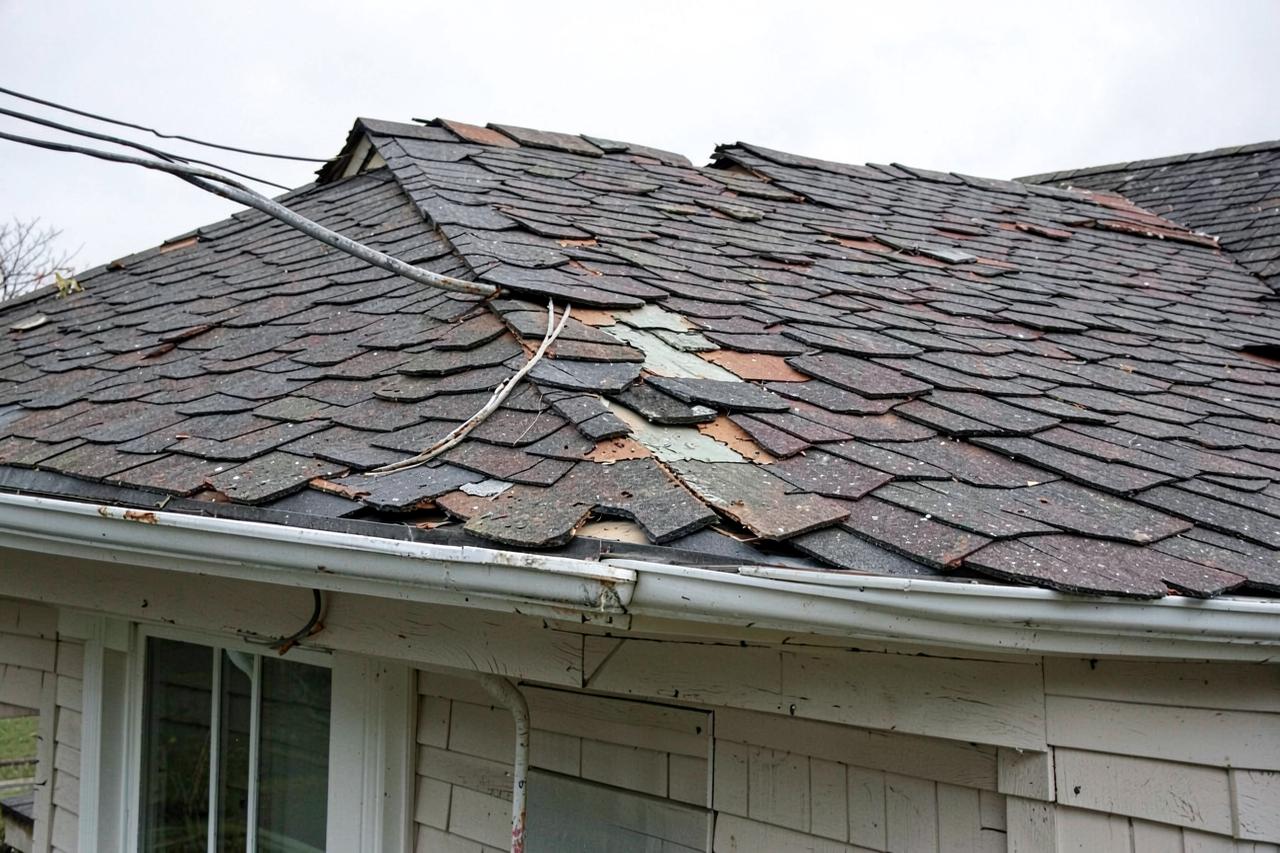
If your property has specific, known issues — a roof near the end of its life, older plumbing, or cosmetic deferred maintenance — being upfront about them in disclosures and in how the property is marketed can reduce the chance of disputes later and may also reduce buyer nervousness during their own inspection period.
Selling a property like this?
Not sure if as-is is the right approach?
Get a sense of your options before you list or sell.
As-is sales and price
Marking a property as-is can affect buyer expectations and, in turn, offer prices. Traditional buyers using financing may be more cautious about an as-is home, since some loan programs have property condition requirements that can complicate financing older or damaged homes. Cash buyers, including investors, are often more comfortable with as-is condition because they're not relying on a lender's requirements and may already plan to renovate.
| Factor | As-is traditional listing | As-is cash sale |
|---|---|---|
| Buyer pool | Smaller; some financing programs restrict condition | Often broader among cash/investor buyers |
| Inspection outcome | May still lead to renegotiation or buyer walk-away | Often used to finalize price rather than request repairs |
| Disclosure duty | Still applies | Still applies |
| Marketing effort | Typically still staged/listed/shown | Often minimal or no showings |
| Timeline certainty | Depends on buyer's financing approval | Often more predictable since no loan contingency |
When as-is makes the most sense
As-is selling tends to fit situations where making repairs isn't practical or affordable, where the seller wants to minimize ongoing involvement, or where the property has issues that would be costly to remediate before sale. This comes up often with houses that need repairs, homes affected by fire damage or water damage, and properties inherited in unknown condition, as discussed in our guide on selling an inherited house that needs repairs.
It can also make sense for sellers who simply want to avoid the process of coordinating contractors, permits, and inspections while still living in or managing a property from a distance, which we cover in more depth for vacant houses.
Weighing net proceeds against convenience
It's worth being realistic: an as-is sale, especially to a cash buyer, will often net less than putting a fully repaired home on the open market. The trade-off is that you avoid the time, cost, and uncertainty of repairs and renovations, and you may close with fewer contingencies standing between you and a completed sale. Whether that trade-off is worth it depends on your finances, timeline, and how much risk you're comfortable carrying. A CPA can help you think through the tax side of that decision, including how selling costs and any capital improvements factor into your gain calculation, and the IRS guidance on selling your home is a useful starting point for general rules.
Frequently asked questions
- Does selling as-is mean I don't have to disclose problems?
- No. As-is generally refers to repairs and condition at sale, not disclosure. California law still requires sellers to disclose known material facts about the property regardless of as-is terms.
- Can a buyer still inspect an as-is property?
- Yes, most buyers retain inspection rights in an as-is sale. The difference is usually in what happens afterward — renegotiation is less common than in a traditional sale, but buyers can still walk away during a contingency period.
- Will I get a lower offer if I sell as-is?
- Often, yes, since buyers account for unknown repair costs and risk. The size of that discount depends on the property's condition and the buyer pool.
- Is an as-is sale faster than a traditional one?
- It can be, particularly with a cash buyer, since there's often no financing contingency or repair negotiation period. Actual timing still depends on title, disclosures, and the specific agreement.
- Should I get legal advice before selling as-is?
- If you have any doubt about what you're required to disclose or how an as-is clause affects your liability, consulting a California real estate attorney is a reasonable step before signing a purchase agreement.
Areas we buy in
Sources
This article is provided for general informational purposes only and should not be considered legal, tax, financial, accounting, or real estate advice. Laws, regulations, and individual circumstances vary. Consult appropriate qualified professionals regarding your specific situation.